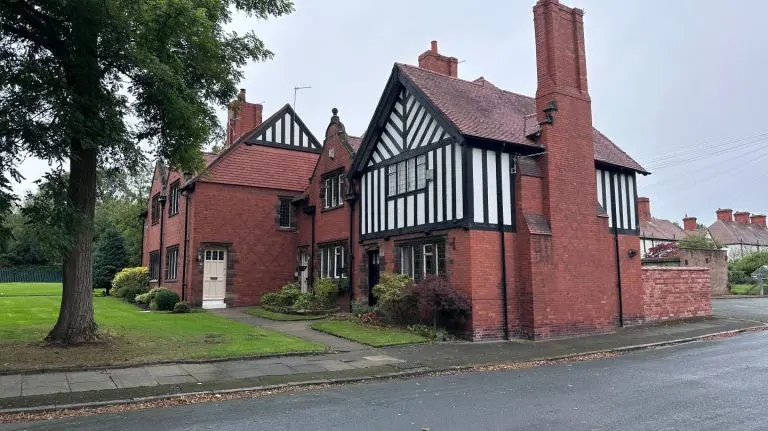
Listed Building Insurance
google
Christine Heron
23 May 2026

We have used Norton for our house insurance for many years ... always helpful and competitive

google
Andrew Woodcock
21 May 2026

Renewed my property insurance yet again with Norton Insurance Brokers. Always a great service from knowledgeable polite staff at affordable prices. Thank you Norton.

google
Richard Barnes
26 May 2026

Excellent help with advice. Quickly expedited.

google
John Fuller
2 June 2026

Polite, and efficient service.

Speak to a listed building insurance specialist

Send us a message and a member of our home insurance team will be in touch to discuss your listed building insurance requirements and arrange a tailored quote.

Listed properties we can arrange cover for

Norton can arrange specialist insurance for Grade II* and Grade II listed properties in England and Wales, and Grade B and C listed properties in Scotland. Our specialist insurer panel includes providers experienced in heritage property risk who assess each building individually.

Grade II listed buildings (England and Wales)*: Particularly important buildings of more than special interest — around 6% of listed buildings in England. Grade II* properties often present more complex underwriting requirements than standard Grade II listed buildings, due to their greater architectural or historic significance and the higher reinstatement costs that typically follow. Our in-house underwriting team reviews each property individually to ensure the policy reflects its specific characteristics.

Grade II listed buildings (England and Wales): The most common listing classification, covering buildings of special interest that warrant effort to preserve. Grade II listed buildings make up the vast majority of listed properties in England and Wales. Despite being the most common category, they remain unsuitable for standard comparison site policies due to their higher reinstatement costs and material requirements — and require a specialist approach to be insured correctly.

Grade B listed buildings (Scotland): Historic Environment Scotland’s Grade B classification covers buildings of regional or more than local importance. Grade B listed properties in Scotland carry similar insurance considerations to Grade II* properties in England — higher reinstatement costs, specialist material requirements, and the need for an insurer experienced in heritage construction.

Grade C listed buildings (Scotland): Grade C covers buildings of local importance, lesser interest, or traditional character in Scotland. These properties are often more accessible to insure through specialist channels than higher-grade buildings, but still require a policy that properly reflects their construction and reinstatement requirements rather than a standard home insurance product.

Period and historic properties in conservation areas: Properties within conservation areas are not listed buildings, but they often carry similar restrictions on materials and alterations. We can arrange cover for period properties in conservation areas where standard policies may be insufficient. If you are unsure whether your property is listed or sits within a conservation area, see the FAQ section below for guidance on how to check.

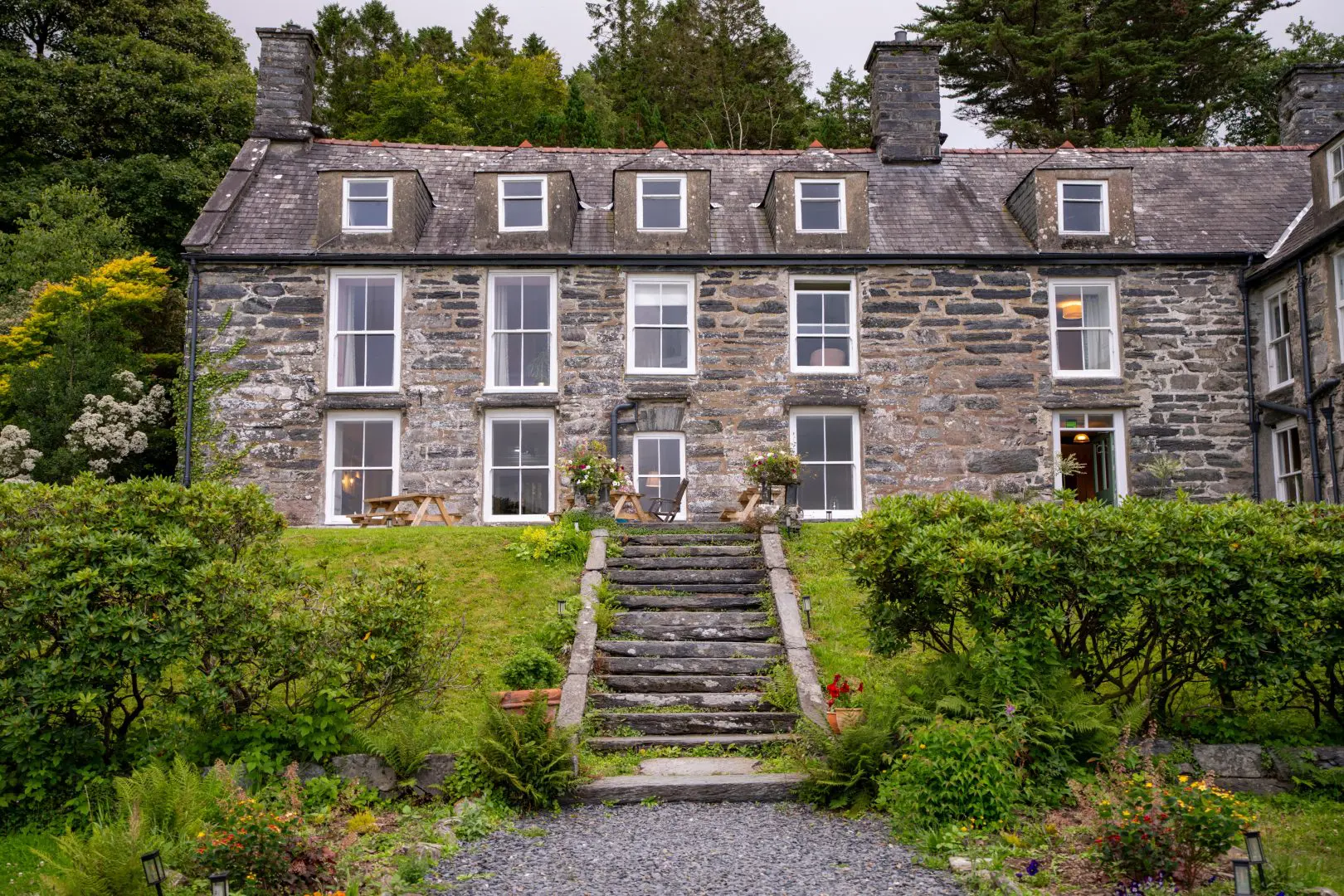
Thursday 18 September 2025. Port Sunlight Cheshire. Built by Lord Lever of Sunlight soap to house workers. Arts and craft village. World renown Lady Lever Art Gallery. Over 900 grade2 listed dwellings

What listed building insurance may include

Every listed building policy arranged by Norton is tailored to the individual property. Cover may include:

  • Buildings insurance at an accurate reinstatement value reflecting the cost of rebuilding using period-appropriate materials and specialist trades, not a standard rebuild cost calculator figure
  • Contents insurance including high-value furniture, antiques, art, and specialist items often found in listed properties
  • Alternative accommodation costs if your home becomes uninhabitable following an insured event
  • Property owners’ liability cover for injuries to third parties on your property
  • Accidental damage cover for the fabric of the building and its contents
  • Outbuildings and grounds where applicable, including listed walls, gates, and structures in the curtilage of the property
  • Loss of rent if the property is a listed building that you let to tenants
  • Legal expenses cover for property disputes, including planning and listed building consent matters

Cover options and availability depend on individual property assessments. Your personal client manager will discuss your exact requirements and present options that reflect the specific characteristics of your building.

Why use Norton for listed building insurance?

Getting the reinstatement value right: The single most important element of listed building insurance is an accurate reinstatement value. This is not the market value or the purchase price of your property, it is the full cost of demolishing and rebuilding it to its original listed specification using appropriate materials, by craftspeople with the relevant heritage skills. Underestimating this figure leaves you significantly exposed in the event of a major claim. Our in-house underwriting team reviews your property’s characteristics and works with specialist insurers to establish a reinstatement value that properly reflects what it would cost to restore your home.

Access to specialist insurers not available on comparison sites: Our insurer panel includes specialist providers who are experienced in listed property risk and who do not appear on standard comparison sites. This means more appropriate cover, more accurately priced, not a generic buildings policy with a listed building add-on.

A dedicated personal client manager Every Norton client is assigned a dedicated personal client manager. For listed building owners, this means having a knowledgeable point of contact who understands your property, your policy, and your insurer’s approach to heritage property claims, before anything goes wrong, and when it does.

Support if you need to claim We work only with insurers known for their handling of listed property claims. If you need to make a claim, we will be there to help you navigate the process — liaising with your insurer and, where appropriate, helping you identify craftspeople and contractors with the relevant listed building expertise.

Our other property insurances

Insurance for your home

Home insurance is an essential. Protect you and your family’s safe place with our specialist cover today.

Insurance for your property

If you rent a property out to a tenant you should protect your building, contents, income and legal expenses with our landlord insurance.

Listed building insurance FAQs

Is listed building insurance more expensive than standard home insurance?

Listed building insurance may cost more than a standard home insurance policy, primarily because the reinstatement costs for a listed property are higher. Using period-appropriate materials and specialist craftspeople is more expensive than modern construction, and this is reflected in the premium. However, a policy arranged through a specialist listed building insurance broker may be more accurately priced than a standard policy adapted for a listed building, and is far more likely to provide adequate cover when you need to claim.

Can I insure my listed building through a comparison site?

Comparison sites can provide quotes for some listed buildings, typically Grade II listed properties. However, they use standard rebuild cost calculators that are unlikely to reflect the true reinstatement cost of a heritage property. This can leave you significantly underinsured. A specialist listed building insurance broker has access to insurers who assess listed buildings individually and price cover accordingly.

What is the difference between market value and reinstatement value for a listed building?

Market value is what a buyer would pay for your property. Reinstatement value is the full cost of demolishing and rebuilding it to its original listed specification, including specialist materials, craftspeople, architects, and planning costs. For listed buildings, reinstatement value is almost always significantly higher than market value, and it is the reinstatement value that determines how your buildings insurance should be arranged.

Do I need listed building consent before making a claim for repairs?

If repairs to your listed building require materials or techniques that differ from the building’s original character, listed building consent may be required before works can proceed. This is an important consideration for the claims process, your insurer should be experienced in working with listed buildings to understand this requirement. Norton works only with insurers who are familiar with the listed building consent process and can account for it in the claims settlement.

Can I get listed building insurance if my property has had subsidence?

Subsidence is one of the more complex risk factors for any property, and it can affect the availability and cost of listed building insurance. As a specialist broker, we work with insurers experienced in non-standard risk profiles and can discuss your options with you. Speak to your personal client manager to discuss your specific circumstances.

How do I find out if my property is listed?

In England, you can check whether a property is listed using the National Heritage List for England (NHLE), maintained by Historic England at historicengland.org.uk. In Scotland, the Buildings at Risk Register and full listed buildings database is maintained by Historic Environment Scotland at historicenvironment.scot. In Wales, Cadw maintains the listed buildings register at cadw.gov.wales.

Contact us

Send us a message below to get in touch. We aim to respond to all queries sent before 5pm the same working day in the week, and the next working day if you message us in the evening or at the weekend.